IsDBI Secures US Trademark Office Patent for “Proof-of-Use” Blockchain Consensus Model
INTRODUCTION
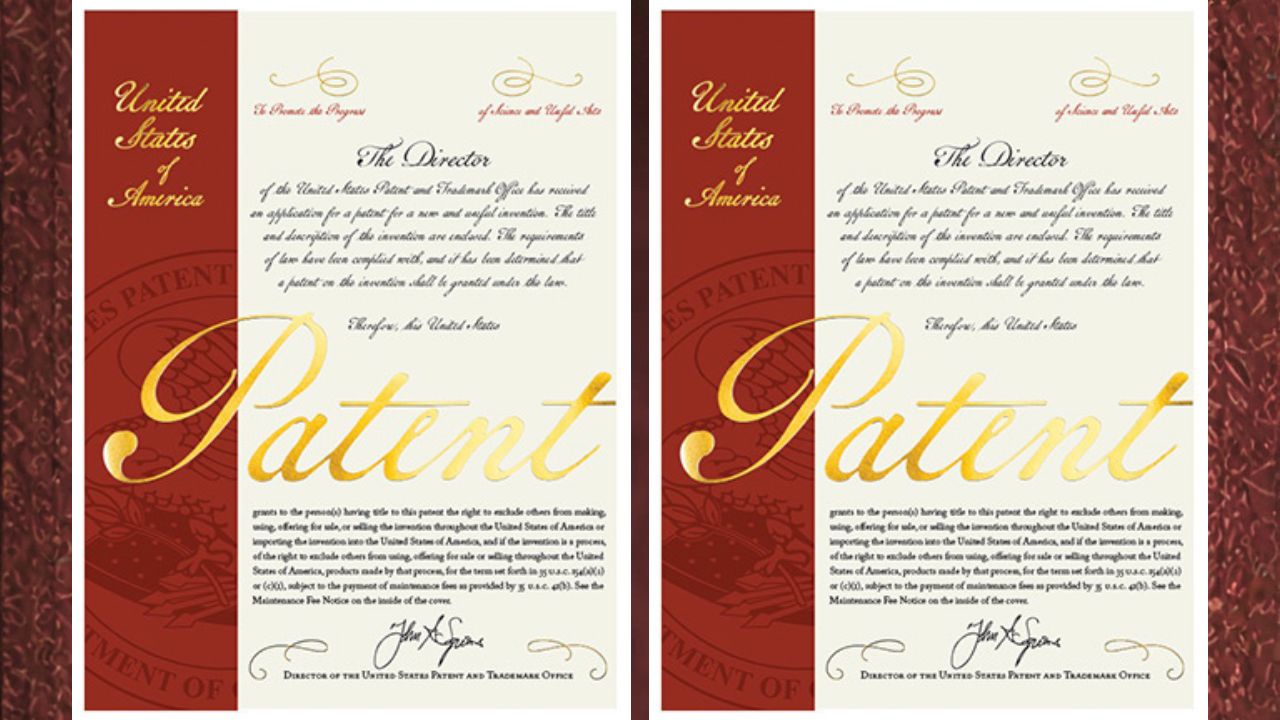
The Islamic Development Bank Institute (IsDBI) has been awarded a new patent by the United States Patent and Trademark Office (USPTO) for an innovative blockchain consensus mechanism known as “Proof-of-Use.” The patent, officially granted on 10 February 2026, represents the institute’s second USPTO patent and its fifth overall intellectual property registration.
The development highlights the institute’s ongoing focus on advancing financial technology solutions designed to support economic development and the expansion of Islamic digital finance.
KEY DETAILS
The newly granted patent, numbered 12,548,031 B2, protects a novel method for achieving consensus within distributed ledger technology (DLT) systems, including blockchain networks. The patented approach, referred to as Proof-of-Use (PoU), proposes an alternative framework for validating transactions across decentralized networks.
In conventional blockchain architectures, consensus algorithms ensure that all network participants agree on the validity and sequence of transactions without relying on a centralized authority. The PoU model introduces a reciprocity-based mechanism in which network participants validate other users’ transactions in exchange for their own transactions being validated.
Under this structure, individuals who actively use the network also serve as validators, aligning participation and governance within the same group. This differs from traditional models such as Proof-of-Work and Proof-of-Stake, where transaction validators often operate separately from ordinary users.
The approach also aims to reduce energy consumption associated with blockchain validation processes. By removing the competitive computational race characteristic of Proof-of-Work systems, the PoU model is designed to operate more efficiently while maintaining network security.
According to the institute, the mechanism also seeks to address concentration risks commonly associated with Proof-of-Stake frameworks, where validation influence may correlate with the size of financial holdings.
Further details about the patented system are available through the official announcement published by the institute on the Islamic Development Bank Institute website.
SOURCE: https://isdbinstitute.org/isdbi-second-uspto-patent-proof-of-use/
IFD INDUSTRY IMPACT
The patent strengthens the institute’s position in the fintech research landscape while contributing to ongoing discussions about sustainable and equitable blockchain governance models. By prioritizing active participation rather than computational power or financial stake, the Proof-of-Use mechanism may offer an alternative architecture suitable for development-focused financial networks.
Such innovations could support future digital financial platforms aimed at improving access to financial services across emerging markets and member countries of the Islamic Development Bank Group.
DISCLAIMER

IslamicFinanceDaily.com publishes this article for informational purposes only. The content is based on publicly available information and official announcements from the referenced institution. IslamicFinanceDaily.com does not provide financial, investment, or legal advice. Readers should verify information with the original source before making any financial or business decisions.

We strive to ensure the accuracy of all published content. If you represent the referenced organisation or identify any factual inaccuracy or misinterpretation, please contact us so that we can review and, where appropriate, update the article promptly.