
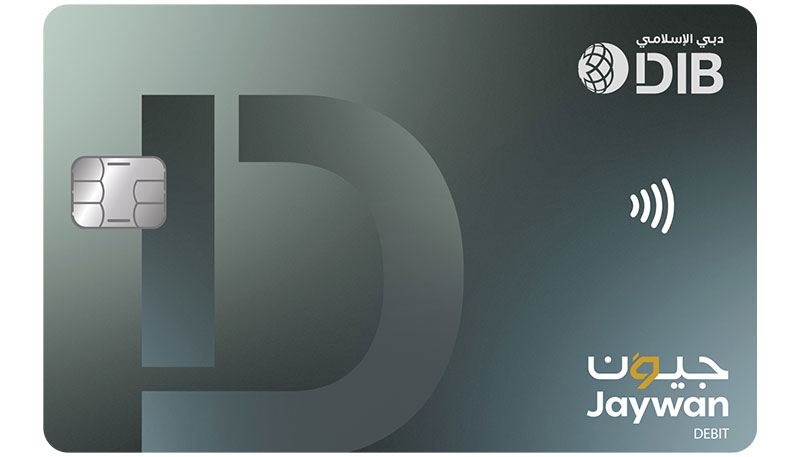
DIB Launches Jaywan Debit Card to Support UAE National Payments Ecosystem
Dubai Islamic Bank (DIB) has announced the launch of its Jaywan Debit Card for current and savings account holders, supporting the UAE’s national card payment scheme.
According to the bank, the launch forms part of its commitment to supporting the UAE’s national payments ecosystem. Jaywan, developed and operated by Al Etihad Payments, a subsidiary of the Central Bank of the UAE, is designed to localise domestic card transactions, strengthen the resilience of the country’s payments infrastructure, and support the secure processing of payment data within the UAE.
DIB stated that the introduction of the Jaywan Debit Card will help expand the adoption of the national payment scheme while contributing to the UAE’s digital payments and financial innovation objectives.
Dr. Adnan Chilwan, Group Chief Executive Officer of DIB, said the launch supports the development of a secure and resilient payments ecosystem and reflects the bank’s commitment to national initiatives that strengthen the country’s financial infrastructure.
The bank added that the Jaywan Debit Card will be available to existing DIB current and savings account holders.
Source: Dubai Islamic Bank (Official Announcement)
Industry Impact (IFD Editorial Insight)
The launch of the Jaywan Debit Card reflects continued collaboration between financial institutions and national payment infrastructure initiatives in the UAE. The adoption of the national card scheme by one of the country’s largest Islamic banks may support broader awareness and use of locally developed payment solutions within the banking sector.
DISCLAIMER

IslamicFinanceDaily.com publishes this article for informational purposes only. The content is based on publicly available information and official announcements from the referenced institution. IslamicFinanceDaily.com does not provide financial, investment, or legal advice. Readers should verify information with the original source before making any financial or business decisions.

We strive to ensure the accuracy of all published content. If you represent the referenced organisation or identify any factual inaccuracy or misinterpretation, please contact us so that we can review and, where appropriate, update the article promptly.