Essential Topics Every Beginner Should Know About Islamic Finance
Introduction
Islamic finance is a broad and dynamic field that combines ethical principles with modern financial practices. For beginners, the number of concepts, contracts, and institutions can seem overwhelming.
The best approach is to start with the essential topics that form the foundation of the industry. Understanding these core concepts will make it easier to explore more advanced areas such as Islamic banking, Sukuk, Takaful, Islamic capital markets, and Shariah governance.
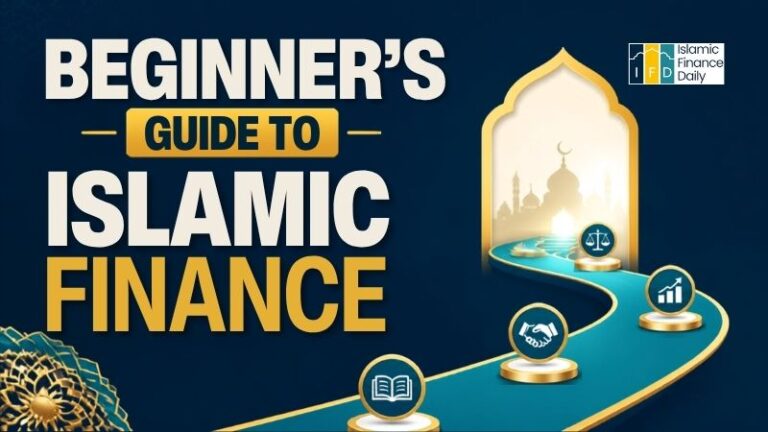
This guide introduces the key topics every beginner should become familiar with when studying Islamic finance.
1. What Is Islamic Finance?
Islamic finance is a financial system based on the principles of Shariah (Islamic law). It promotes fairness, transparency, ethical business practices, and responsible investment while prohibiting interest-based lending and certain speculative activities.
Why it matters: This is the foundation for understanding every other topic in Islamic finance.
2. Objectives of Shariah (Maqasid al-Shariah)
The objectives of Shariah provide the ethical framework that guides Islamic finance. They aim to promote justice, protect wealth, and support the well-being of society through responsible financial practices.
Why it matters: Understanding these objectives helps explain why Islamic finance differs from conventional finance.
3. Riba (Interest)
Riba refers to interest or predetermined returns on loans, which are generally prohibited in Islamic finance. Instead, Islamic finance encourages trade, investment, and profit-sharing arrangements.
Why it matters: The prohibition of Riba is one of the defining principles of Islamic finance.
4. Gharar (Excessive Uncertainty)
Gharar refers to excessive uncertainty or ambiguity in contracts. Transactions should clearly define the rights and obligations of all parties.
Why it matters: Transparency and certainty are essential characteristics of Shariah-compliant transactions.
5. Maysir (Gambling and Speculation)
Maysir refers to transactions that rely primarily on chance or excessive speculation rather than genuine economic activity.
Why it matters: Islamic finance promotes productive investment instead of speculative behaviour.
6. Islamic Banking
Islamic banks provide financial services using Shariah-compliant contracts instead of conventional interest-based lending.
Common services include:
- Home financing
- Business financing
- Savings and investment products
- Trade finance
Why it matters: Islamic banking is the largest sector within the global Islamic finance industry.
7. Islamic Finance Contracts
Many Islamic financial products are based on established contractual structures.
Important contracts include:
- Murabaha
- Mudarabah
- Musharakah
- Ijarah
- Salam
- Istisna’
- Wakalah
Why it matters: These contracts form the building blocks of Islamic financial products.
8. Sukuk
Sukuk are Shariah-compliant investment certificates that represent ownership or beneficial interests in assets or projects rather than debt obligations.
Why it matters: Sukuk play an important role in corporate and government financing.
9. Takaful
Takaful is a cooperative model of insurance where participants contribute to a shared fund that helps members facing covered losses.
Why it matters: It provides a Shariah-compliant alternative to conventional insurance.
10. Islamic Capital Markets
Islamic capital markets include Shariah-compliant equities, Sukuk, investment funds, and other financial instruments.
Why it matters: These markets allow investors to participate in financial markets while following Islamic principles.
11. Shariah Governance
Shariah governance refers to the systems and processes that help ensure Islamic financial institutions operate in accordance with Shariah principles.
This may involve:
- Shariah supervisory boards
- Internal compliance
- Audits
- Governance frameworks
Why it matters: Strong governance helps maintain confidence in Islamic financial institutions.
12. Industry Standards
International standards support consistency and best practices across the Islamic finance industry.
Areas covered include:
- Accounting
- Auditing
- Governance
- Ethics
- Financial reporting
Why it matters: Standards help promote transparency and consistency across jurisdictions.
13. Islamic Fintech
Technology is transforming the Islamic finance industry through digital banking, crowdfunding, payment solutions, wealth management, and artificial intelligence.
Why it matters: Fintech is creating new opportunities for financial inclusion and innovation.
14. Ethical and Sustainable Finance
Islamic finance shares many values with ethical, responsible, and sustainable finance, including fairness, transparency, social responsibility, and investment in productive economic activities.
Why it matters: Understanding these shared values provides broader context for the role of Islamic finance in today’s global economy.
15. Career Opportunities
Islamic finance offers career opportunities across banking, investment management, accounting, auditing, consulting, legal services, academia, financial technology, and regulation.
Developing a strong understanding of the essential topics provides a valuable foundation for further study and professional development.
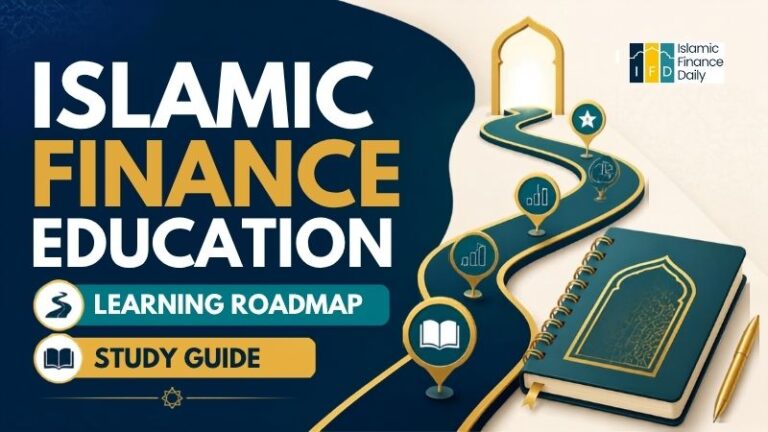
Recommended Learning Order
If you are just starting, consider studying the topics in this order:
- What Is Islamic Finance?
- Objectives of Shariah
- Riba
- Gharar
- Maysir
- Islamic Banking
- Islamic Finance Contracts
- Sukuk
- Takaful
- Islamic Capital Markets
- Shariah Governance
- Industry Standards
- Islamic Fintech
- Ethical Finance
- Career Opportunities
Studying the topics in sequence allows you to build your knowledge progressively.
Final Thoughts
Every expert in Islamic finance began by learning the fundamentals. By understanding these essential topics, beginners can develop a strong foundation before moving on to more specialised areas such as professional certifications, university programmes, research, and industry practice.
As your knowledge grows, revisit these concepts regularly—they form the basis of nearly every product, service, and institution within the Islamic finance industry.