Top MOOCs for Islamic Finance
Introduction
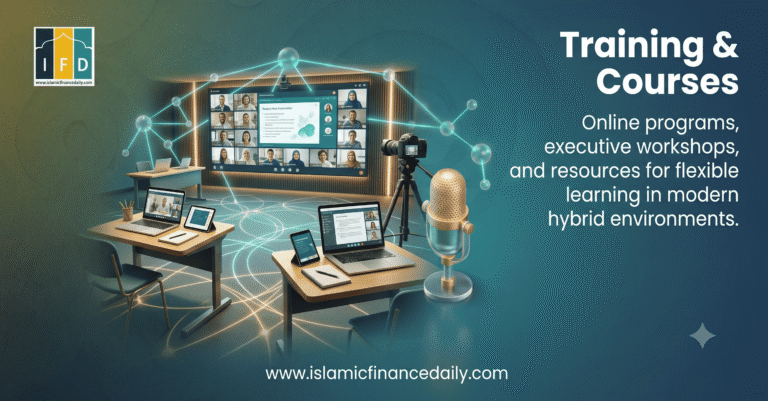
Massive Open Online Courses (MOOCs) have transformed the way people access education. These online courses allow learners to study from leading universities and institutions without the need to attend classes in person.
For those interested in Islamic finance, MOOCs provide an accessible way to build knowledge of Islamic banking, Shariah-compliant finance, financial markets, economics, and related business disciplines. While dedicated Islamic finance MOOCs are still relatively limited compared to conventional finance, several platforms offer relevant courses from universities and industry experts.
This guide explores some of the leading MOOC platforms where learners can study Islamic finance and related subjects.
What Is a MOOC?
A Massive Open Online Course (MOOC) is an online course designed to be accessible to large numbers of learners worldwide. Many MOOCs can be audited free of charge, while optional paid certificates are available for learners who wish to demonstrate course completion.
Benefits of MOOCs include:
- Learn from anywhere in the world
- Flexible, self-paced study
- Courses from leading universities
- Free access to many course materials
- Optional certificates upon completion
1. Coursera
Coursera partners with universities and educational institutions worldwide to deliver online courses in finance, economics, accounting, business, and management.
Although dedicated Islamic finance courses may not always be available, learners can strengthen their understanding of financial systems, banking, corporate finance, and investment before progressing to specialised Islamic finance programmes.
Features
- University-backed courses
- Professional certificates
- Flexible schedules
- Mobile learning
- Financial aid for eligible learners
Best for: Beginners and professionals seeking structured online education.
2. edX
edX provides online courses developed by universities and institutions around the world. Learners can explore finance, economics, accounting, risk management, and business topics that complement Islamic finance studies.
Features
- Courses from leading universities
- Self-paced learning
- Professional certificates
- Verified certificates available
Best for: Learners seeking academic-quality online education.
3. FutureLearn
FutureLearn offers short online courses developed by universities and educational organizations. Finance, business, ethics, sustainability, and economics courses provide useful background knowledge for Islamic finance learners.
Features
- Short online courses
- Flexible learning
- Discussion-based activities
- Certificates available
Best for: Learners looking for introductory and continuing education.
4. Alison
Alison is a free online learning platform offering courses across business, finance, accounting, economics, and management.
While dedicated Islamic finance content may be limited, the platform is useful for developing foundational financial knowledge.
Features
- Free online courses
- Self-paced study
- Business and finance modules
- Optional certificates
Best for: Beginners starting their learning journey.
5. OpenLearn
OpenLearn, developed by The Open University, provides free educational content covering business, economics, entrepreneurship, and finance.
Although Islamic finance-specific courses are limited, learners can strengthen their understanding of the broader financial environment.
Features
- Completely free learning
- Business and finance topics
- No registration required for many courses
- Self-paced study
Best for: Independent learners seeking free educational resources.
6. Udemy
Udemy hosts courses created by independent instructors on thousands of subjects, including Islamic finance, banking, accounting, investment, and business.
Course quality can vary, so learners should review course descriptions, instructor qualifications, and learner reviews before enrolling.
Features
- Affordable courses
- Lifetime access
- Self-paced learning
- Frequent discounts
Best for: Learners looking for affordable specialist courses.
Choosing the Right MOOC
Before enrolling, consider the following:
Learning Objectives
Determine whether you want introductory knowledge, professional development, or preparation for advanced study.
Course Provider
Courses developed by recognised universities and established institutions generally offer greater academic credibility.
Certificate Availability
If you require evidence of learning for employment or continuing professional development, check whether a verified certificate is available.
Course Content
Review the syllabus to ensure the course matches your interests and learning goals.
Learner Reviews
Feedback from previous participants can provide insight into course quality and teaching style.
Beyond MOOCs
MOOCs provide an excellent introduction to Islamic finance, but they represent only one part of the learning journey.
Learners may also benefit from:
- Professional certification programmes
- University degree programmes
- Executive education courses
- Industry webinars
- Research publications
- Books and journals
- Standards issued by recognised Islamic finance organizations
Combining MOOCs with these additional resources can help build a more comprehensive understanding of the industry.
Final Thoughts
MOOCs make quality education more accessible by allowing learners to study at their own pace from institutions around the world. Although dedicated Islamic finance MOOCs remain relatively limited, many platforms offer finance, economics, accounting, and business courses that provide valuable supporting knowledge.
As the Islamic finance industry continues to grow, online learning opportunities are expected to expand, giving students and professionals even greater access to specialised education.
Whether you are exploring Islamic finance for the first time or enhancing your professional skills, MOOCs offer a flexible and affordable way to begin your learning journey.